
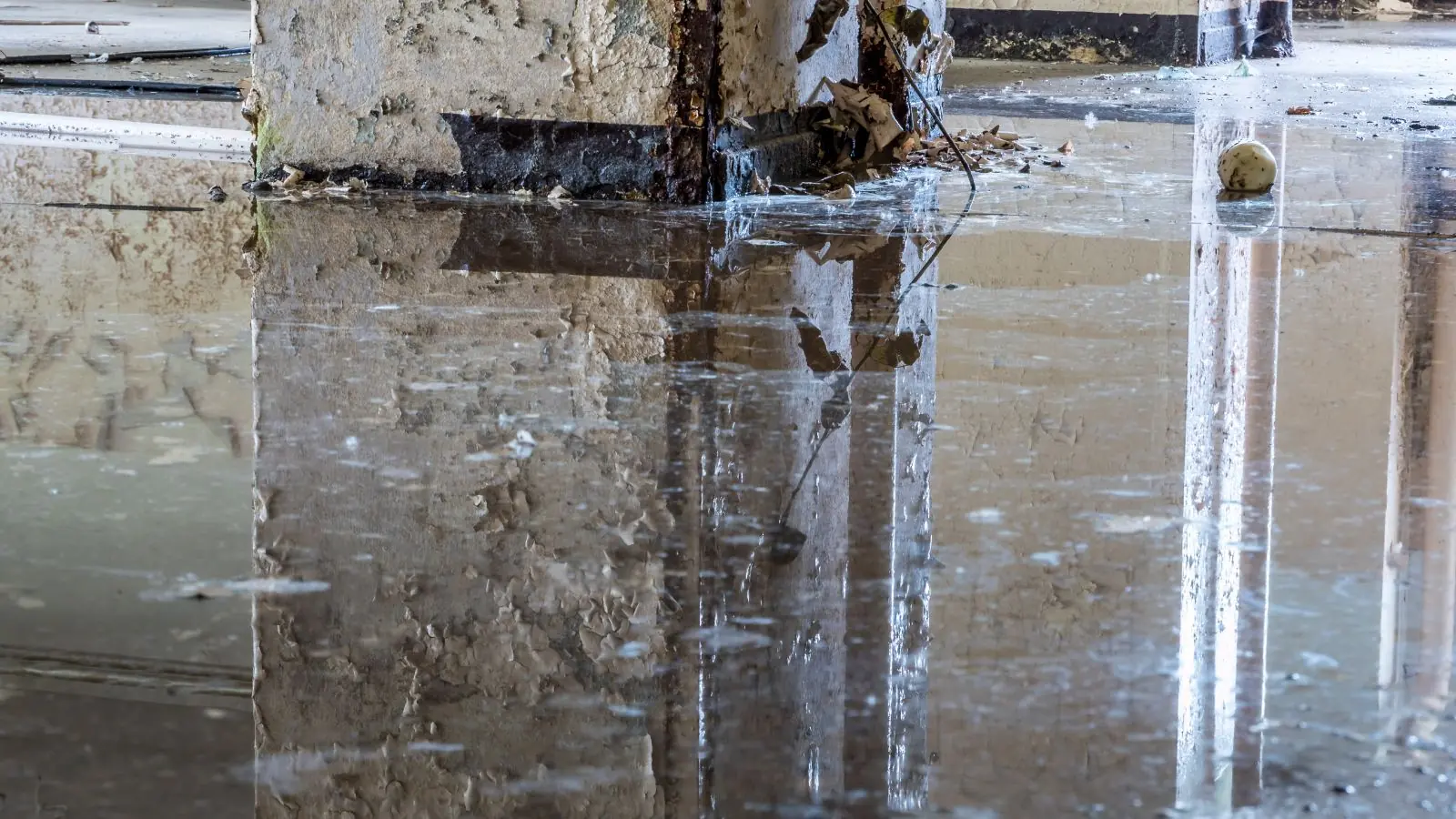
Every hour that standing water sits in a house, it moves further into drywall, subfloor seams and the bases of cabinets. If there is water on the floor in Irvington right now, call (973) 913-7863 any hour of the day or night, then shut off the source if you can reach it safely.
Water extraction means physically removing the liquid before any drying begins. Crews use submersible pumps for depth, portable and truck-mounted extraction units for carpet and hard floors, and wet vacuums with squeegee tools for edges and corners. Getting the bulk water out early is what keeps the later drying stage short.
This page is about getting the water out of the building, whatever its source. The cause, whether a burst pipe, a failed water heater or a leaking appliance, matters for the repair but does not change how the pump works.
When standing water is an emergency
Treat it as an emergency when water covers more than a small patch of floor, keeps rising, touches outlets or baseboard heaters, or is coming through a ceiling. Water that has been standing for a day or more also moves from a clean-water problem toward a contamination problem, so earlier calls are cheaper in every sense.
Electrical safety comes first
If water is near outlets, extension cords or the breaker panel, do not step into it. Turn off power at the panel only if the panel is dry and you can reach it without standing in water. For any shock or gas risk, leave and call the utility or 911 before calling the restoration line.
While you wait for a crew, stop the source at the nearest shutoff valve or the main, move rugs and small furniture to dry ground, and put foil or plastic under furniture legs that must stay in the wet room. Nights and weekends are not an obstacle, because after-hours calls go to the same dispatcher.
How water extraction works step by step
The steps follow the practice described in the ANSI/IICRC S500 standard for professional water damage restoration, the published reference the trade uses. Citing the standard describes the method and is not a claim of firm certification.
- Locate the source and confirm it is stopped, so extraction is not chasing new water.
- Pump out standing depth with a submersible pump where water is more than a couple of inches deep.
- Run extraction units across carpet, pad and hard floors to pull water that has soaked in.
- Clear edges, thresholds and low spots with wet vacuums and squeegee tools.
- Scan walls and floors with moisture meters and thermal imaging to find water the eye cannot see.
- Hand the job to the drying stage once standing water is gone and the wet areas are mapped.
Extraction equipment and what each piece does
| Tool | What it does | Typical use |
|---|---|---|
| Submersible pump | Moves large volumes of standing water | Several inches of water in a room or lower level |
| Portable extraction unit | Pulls water from carpet and pad under suction | Soaked carpeted rooms |
| Truck-mounted extractor | Higher suction for large areas | Large rooms and commercial floors |
| Wet vacuum with squeegee head | Lifts water from edges and hard floors | Kitchens, bathrooms, thresholds |
| Moisture meter and thermal camera | Shows where water remains in materials | Checking walls and subfloors after pumping |
Why a dry-looking floor can still be wet
Extraction removes liquid water, but wood, drywall and insulation hold moisture inside the material. A floor that looks dry can still read wet on a meter, and that hidden moisture is what feeds odor and swelling a week later.
That is why extraction and drying are separate stages with separate tools. Once the standing water is gone, the job moves to air movers and dehumidifiers, which the structural drying and dehumidification page explains in plain words.
When the water is not from your own plumbing
Most standing water comes from inside the house, but not all of it. If you suspect the leak is on a utility-owned line rather than your own plumbing, call New Jersey American Water as well, because that part of the system is theirs to repair. For water that came in from outdoors, the flood damage page covers contamination and salvage decisions.
Need the water out today? Give the dispatcher the depth and the rooms affected and a crew plan starts from that call.
☎ Call (973) 913-7863What affects the price of water extraction
Extraction is usually the smaller part of a water loss bill, but several things change it.
| Factor | Why it moves the price |
|---|---|
| Water category | Clean water is extracted and dried, contaminated water also needs removal and sanitizing |
| Depth and affected area | Deeper and wider water needs more pumping and more machine time |
| Materials soaked | Carpet and pad take longer to extract than tile or sealed concrete |
| Access and floor level | Stairs, tight basements and multiple levels add setup time |
| Drying that follows | Extraction is followed by days of air movers and dehumidifiers |
| Rebuild scope | Anything removed during extraction must be replaced in a separate stage |
Exact prices for water extraction depend on what a technician finds on site, so any number given before that is a guess. Call (973) 913-7863 and describe what is wet so the scope and price can be explained.
Water removal and your insurance claim
Many homeowners policies cover sudden and accidental water damage, such as a pipe that bursts, while gradual leaks and neglected maintenance are often excluded. Flood is usually a separate coverage. Check your policy or ask your insurer which category your loss falls into.
Photograph the water level before extraction starts, keep any damaged items the insurer asks to inspect, and save receipts for emergency work. Those habits protect your claim whichever way the coverage question lands.
Water removal notes for Irvington
Irvington's four wards are served from one dispatch line, and the township sits about three miles from Maplewood and four from Newark, so a crew call rarely depends on which neighborhood you are in. The Garden State Parkway passes through the center of the township at exits 143 and 144, and Interstate 78 touches the southeastern edge at Exit 54, which is why one line can serve all four wards.
In a multi-family building, tell the dispatcher which floor the water started on and which units are wet below it, because extraction often has to cross several apartments.
Questions about water extraction in Irvington
How much water is too much to handle myself?
A wet vacuum is fine for a spill. Once water covers a room, soaks carpet or has been standing for a day, you are past what a household vacuum clears, and hidden moisture in the subfloor needs meters to find.
Do you remove water from carpeted rooms without pulling the carpet?
Often yes, when the water is clean and the carpet is caught early. Extraction units pull water through the carpet and pad, and a technician checks pad and subfloor readings to decide whether lifting is needed.
Will extraction stop mold?
Extraction is the first step in preventing it, because mold needs moisture. Drying the structure completely after extraction is what removes that moisture, so the two stages need to happen together.
What should I photograph before the crew arrives?
Take wide photos of each wet room, close photos of the waterline on walls and furniture, and the source of the leak. Date-stamped photos help any insurance claim and show the crew where water traveled.
Do you handle water extraction emergencies at night or on weekends in Irvington?
Yes. Emergency water removal is dispatched at night, on weekends and on holidays through the same line, (973) 913-7863. Same-day response is offered when a crew is available, and the dispatcher will not promise a fixed arrival time they cannot keep.
The sooner extraction starts, the less of the building the water gets to keep.
☎ Call (973) 913-7863