
Floodwater is different from a burst pipe because it arrives carrying whatever it crossed on the way in, including street runoff, soil and overflow from stressed drains. If water is entering your Irvington home right now, call the 24/7 dispatch line at (973) 913-7863, then keep everyone out of the water until the electrical question is settled.
Flood damage cleanup is three jobs in a fixed order. First the standing water comes out with extraction units. Next, porous materials that soaked up contaminated water are removed, because drying alone cannot make them safe again. Last, the structure is dried with air movers and LGR dehumidifiers until moisture meters match an unaffected reference spot.
This page covers water that comes from outside the building: heavy rain, rising groundwater and overland flow. A single failed supply line is a different problem, covered under burst pipe water damage. Water that comes back up through a floor drain belongs on the sewage backup cleanup page.
When floodwater is an emergency
Before you touch anything
Do not wade through standing water if outlets, power strips or the electrical panel could be wet. Cut power at the panel only if you can reach it from dry ground. If you smell gas, see sparks or the water is near the panel, leave the house and call the utility or 911 before you call us.
While the line connects, move people and pets to a dry floor, lift valuables onto counters or beds, and photograph the waterline on the walls before anything is moved. Floodwater is treated as contaminated, so children, pets and anyone with an open cut should stay out of it.
After-hours calls are normal for flood work, because heavy rain tends to peak at night. Same-day response is offered when crews are available, and the dispatcher will tell you honestly what the schedule looks like instead of promising an arrival time.
Why low floors in Irvington take on water
The Elizabeth River runs through the township, passing Civic Square and Clinton Cemetery, so properties near its course deserve a look at the FEMA flood map for the address. The map can be searched by address at the FEMA Flood Map Service Center, and it tells you more about your lot than any general statement about the town can.
Newark sits roughly four miles from Irvington, and the National Weather Service's Newark station recorded 8.41 inches of rain in one day when the remnants of Hurricane Ida crossed the region in 2021, the wettest day on record there. Storm drains sized for ordinary rain back up in events like that, which is how a dry lower level ends up with water on the floor.
The flood cleanup sequence from first visit to dry readings
- Safety check: confirm the power and gas status before crews enter the wet area.
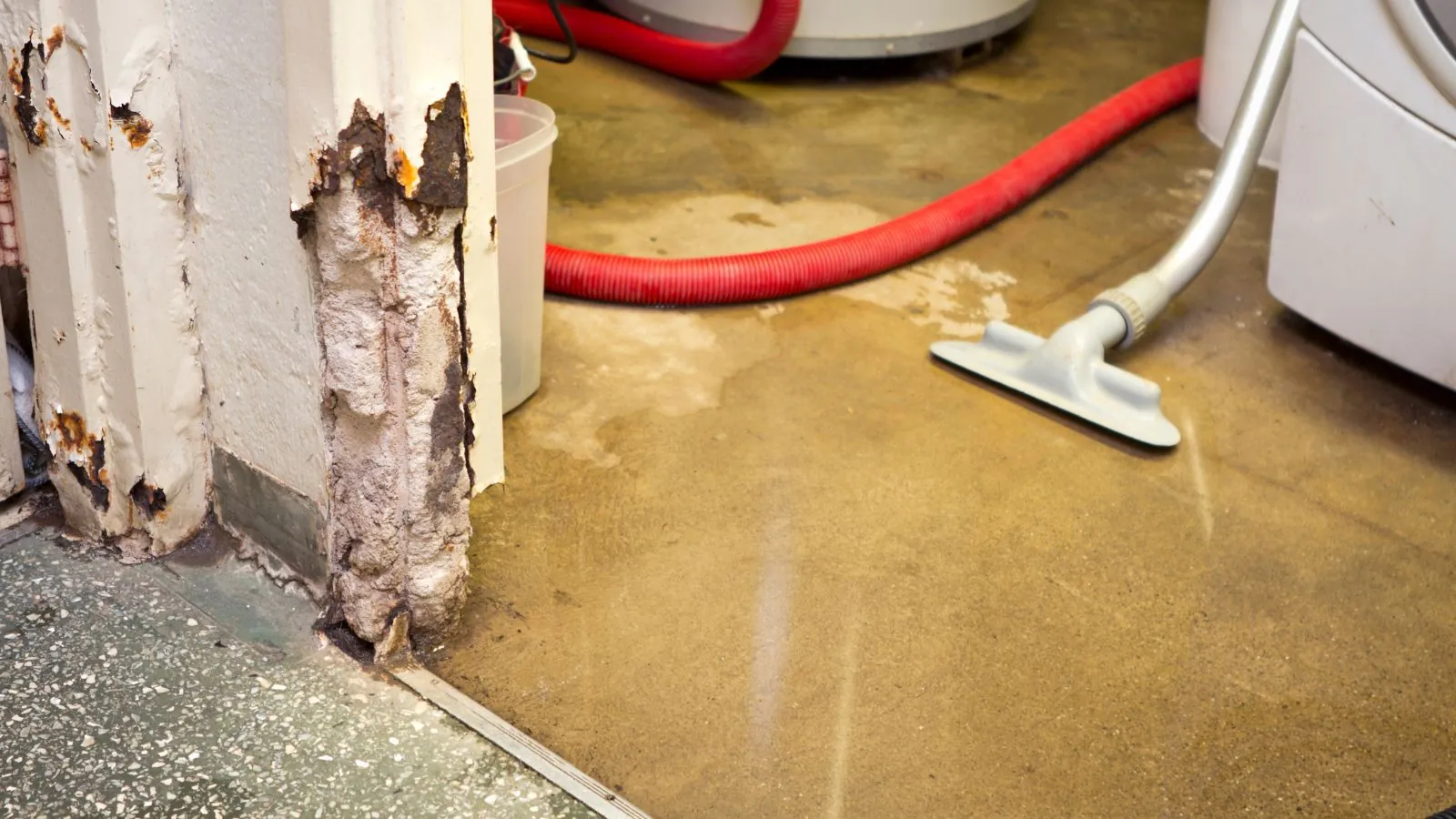
- Extraction: pumps and extraction units remove standing water, then wet vacuums clear the edges and low spots.
- Removal: soaked carpet pad, insulation and the lower section of drywall come out when they absorbed contaminated water.
- Cleaning: hard surfaces are washed and sanitized so the structure is safe to dry.
- Drying: air movers and LGR dehumidifiers run while moisture meters and thermal imaging track the readings.
- Documentation: photos and moisture logs are kept for your insurer and for the rebuild.
Drying usually takes several days, longer for hardwood, plaster and masonry that hold water deeply. The crew checks readings each visit and stops equipment only when the structure matches its dry reference.
What can be saved and what usually cannot
The industry standard ANSI/IICRC S500 treats floodwater as contaminated, which changes the salvage decision. Materials that are hard and non-porous clean up well, while soft and porous ones usually go. You can ask any restoration company whether its crews work to S500 before you hire it.
| Material | Usual outcome | Reason |
|---|---|---|
| Carpet pad and insulation | Removed | Soaks up contaminated water and cannot be cleaned through the fibers |
| Lower drywall | Often cut out above the waterline | Wicks water upward and traps contamination behind the paint |
| Solid hardwood | Case by case | Depends on soak time, species and how quickly drying starts |
| Concrete, tile and metal | Usually cleaned and kept | Hard surfaces release water and wash clean |
| Upholstery and mattresses | Usually discarded | Fabric and foam hold contamination deeply |
Flood damage, basement water and storm damage compared
If most of the water sits in the lowest level, the basement water damage page covers sump failures, seepage and finished-space contents. If wind and rain came through the roof or windows, storm water damage is the closer match. Every one of those jobs ends in the drying stage described on the structural drying page.
Water is still rising or still standing? Describe what you see to the dispatcher and get a plan for the first hours.
☎ Call (973) 913-7863What shapes the cost of flood cleanup
Flood jobs vary more than almost any other water loss, so the factors matter more than any average.
| Factor | Why it moves the price |
|---|---|
| Water category | Contaminated water means material removal and sanitizing, not only drying |
| Depth and time soaked | Longer contact moves water higher into walls and deeper into flooring |
| Affected square footage | More area means more extraction time, equipment and material removal |
| Materials involved | Carpet, hardwood, plaster and drywall each dry or fail differently |
| Drying days and equipment count | Each air mover and dehumidifier is on site until readings are dry |
| Rebuild scope | Replacing removed drywall, flooring and trim is a separate stage from mitigation |
Until a technician has looked at the damage, a flood damage cleanup number is only an estimate of an estimate. Dial (973) 913-7863, describe the loss and the scope will be laid out first.
Flood damage and your insurance policy
Standard homeowners policies generally do not cover flood, which insurers usually define as water rising from outside onto your property. That coverage normally comes from a separate flood policy, either through the National Flood Insurance Program or a private insurer. New Jersey's Department of Banking and Insurance says flood insurance is not part of standard homeowner policies and that flood policies take effect 30 days after purchase.
Whether your loss is covered depends on the wording of your own policy, so check it or ask your insurer. Photograph the damage before anything is thrown out, keep every receipt, and make temporary repairs that stop further loss, which is the same advice the state gives after storms.
Flood notes for Irvington homeowners
Before you rebuild anything below the waterline, ask the township building department which permits apply, because rules vary by project. Look up your address on the FEMA flood map and ask your insurer whether a flood policy is in place, since those questions are easier to answer before the next storm than after it.
Residents in the North, South, East and West wards share the same dispatch line, and crews also work in nearby Maplewood and Newark when the water is not limited to one town.
Questions about flood damage cleanup in Irvington
Can floodwater damage be dried without tearing anything out?
Only for hard materials and clean water. When floodwater soaked carpet pad, insulation or lower drywall, those porous materials are removed because contamination stays inside them after the surface dries.
How long does flood cleanup take?
Extraction usually takes hours and drying usually takes several days. Hardwood, plaster and masonry can take longer, and the crew keeps equipment running until moisture readings match a dry reference.
Does homeowners insurance cover flood damage?
Usually not. Flood is commonly excluded from standard policies and covered by a separate flood policy, so read your declarations page or ask your insurer which coverage you hold.
Should I wait for the adjuster before cleanup starts?
Report the loss to your insurer promptly, photograph everything and keep damaged items as asked, but do not leave water standing. State guidance tells homeowners to make temporary repairs that prevent further damage.
Do you handle flood damage cleanup emergencies at night or on weekends in Irvington?
Yes. The dispatch line at (973) 913-7863 is answered around the clock, including nights, weekends and holidays. Same-day response is offered when crews are available, and the dispatcher explains the schedule honestly rather than promising an arrival time.
Cleaning up after a flood is easier when the first call happens before the water has had a day to soak in.
☎ Call (973) 913-7863