
Sewage backing up through a floor drain, tub or toilet is a health hazard, not a mop-and-bucket job. If it is happening in your Irvington home, keep people and pets out of the wet area, stop using water and call (973) 913-7863 at any hour.
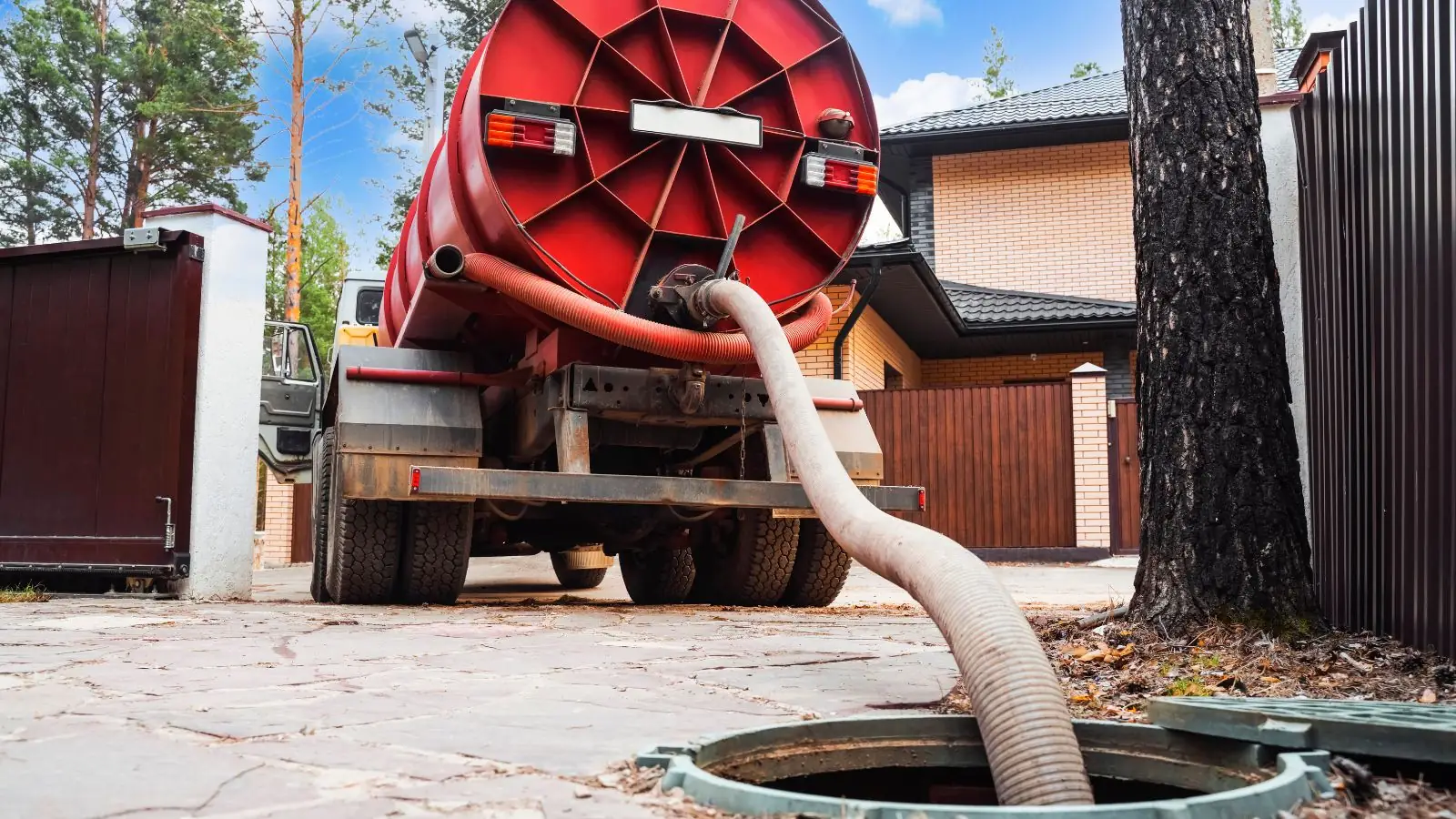
Sewage backup cleanup extracts the contaminated water, removes porous materials that cannot be made safe, cleans and disinfects hard surfaces and dries the structure. The crew works in protective gear and handles waste according to the rules for contaminated material.
This page covers backups from a drain or sewer line. Rain-driven entry is on the storm water damage page, and water in a basement from any source is on the basement water damage page.
Gurgling drains, slow flow and bad smells: early signs of a sewage backup
Most people search for the symptom, not the service. Gurgling sounds from drains, toilets that bubble when the washer drains, several fixtures slowing at once and a sewer smell near a floor drain are common warning signs.
If more than one fixture is affected, the blockage is probably in the main line and not in a single fixture. Stop using water and call a plumber, and call us if any water has already reached the floor.
What to do when sewage is on the floor
- Stop using sinks, toilets, tubs and the washing machine, because everything you run adds to the backup.
- Keep children, pets and anyone with a weak immune system out of the area.
- Do not touch the water with bare skin, and do not step in it in bare feet.
- Turn off power to the affected area only if you can reach the panel from a dry spot.
- Photograph the area from a distance, then call the dispatch line.
Do not clean this up yourself
Sewage water can carry bacteria and viruses. Do not run a household vacuum on it, and do not mix cleaning products. Wash hands thoroughly after any contact and seek medical advice if someone becomes ill.
Backups do not wait for business hours, so the line is answered at any hour. Same-day response is offered when crews are available, and a plumber may be needed to clear the line first.
Why sewage water is treated differently
Sewage is classed as the most contaminated kind of water, called Category 3 in the ANSI/IICRC S500 standard. Porous items it touches, such as carpet, pad, drywall, insulation and upholstered furniture, are generally removed and discarded because they cannot be made safe.
| Material | Usual handling | Why |
|---|---|---|
| Carpet and pad | Removed and discarded | Fibers absorb contaminants |
| Drywall and insulation | Cut back past the wet line and removed | Porous and cannot be disinfected |
| Concrete and tile | Cleaned, disinfected and dried | Hard surfaces can be treated |
| Wood framing | Cleaned, treated and dried | Structural and often salvageable |
| Stored items and furniture | Case by case, often discarded | Soft goods hold contamination |
Cleaning and drying
After extraction, the crew removes affected materials, cleans and disinfects the remaining surfaces and then dries the structure with air movers and dehumidifiers. Readings are taken before equipment is removed.
The plumber clears and repairs the line. Make sure the line is clear before the area is cleaned, otherwise the backup can return. The drying stage is explained further on the structural drying page.
Odor after the cleanup
A lingering smell means something contaminated is still in the structure, often under a floor or behind a wall base. Tell the crew if the smell persists so they can check again.
Sewage on the floor or backing up from a drain? Stay out and call now.
☎ Call (973) 913-7863What shapes the cost of sewage backup cleanup
Sewage jobs cost more per square foot than clean water jobs because of the protective procedures and disposal.
| Factor | Why it moves the price |
|---|---|
| Area contaminated | More floor area means more removal and cleaning |
| Materials affected | Porous materials are removed and replaced |
| Protective procedures | Gear, containment and disposal add labor |
| Time before cleanup | Delay spreads contamination into more materials |
| Drying days | Equipment stays until readings are dry |
| Plumbing repair | The plumber quotes the line work separately |
Exact prices for sewage backup cleanup depend on what a technician finds on site, so any number given before that is a guess. To get your real number, call (973) 913-7863 and describe the damage.
Sewage backup and insurance
Standard homeowners policies often exclude sewer or drain backup unless you added an endorsement. Check your policy for a water backup rider and ask your insurer what it covers.
Photograph the backup, keep the plumber's report that shows where the blockage was, and save receipts for cleanup.
Sewage backup notes for Irvington
Ask the township or the sewer authority whether a blockage is in the public main or in your own lateral line, because responsibility differs. A plumber's camera inspection can show which it is.
Tenants should tell the landlord in writing the same day. Crews also serve Maplewood and Newark.
Questions about sewage backup cleanup in Irvington
What are the early signs of a sewage backup?
Gurgling drains, toilets that bubble, several fixtures draining slowly and sewer odor near floor drains. If you see several of these, stop using water and call a plumber.
Can I clean up sewage water myself?
It is not recommended. The water can carry harmful organisms, and porous materials need to be removed. Professionals use protective gear and disposal procedures.
Is carpet that got sewage water salvageable?
Almost never. Carpet and pad are generally removed and replaced.
Who fixes the clog?
A plumber clears and repairs the line. A restoration crew handles the cleanup and drying.
Do you handle sewage backup cleanup emergencies at night or on weekends in Irvington?
Yes. Sewage backups are handled around the clock through (973) 913-7863, including nights and weekends. Same-day response is offered when crews are available, and the dispatcher explains what to avoid until they arrive.
Keep people out, stop using water and call, because the longer it sits the more it soaks in.
☎ Call (973) 913-7863