
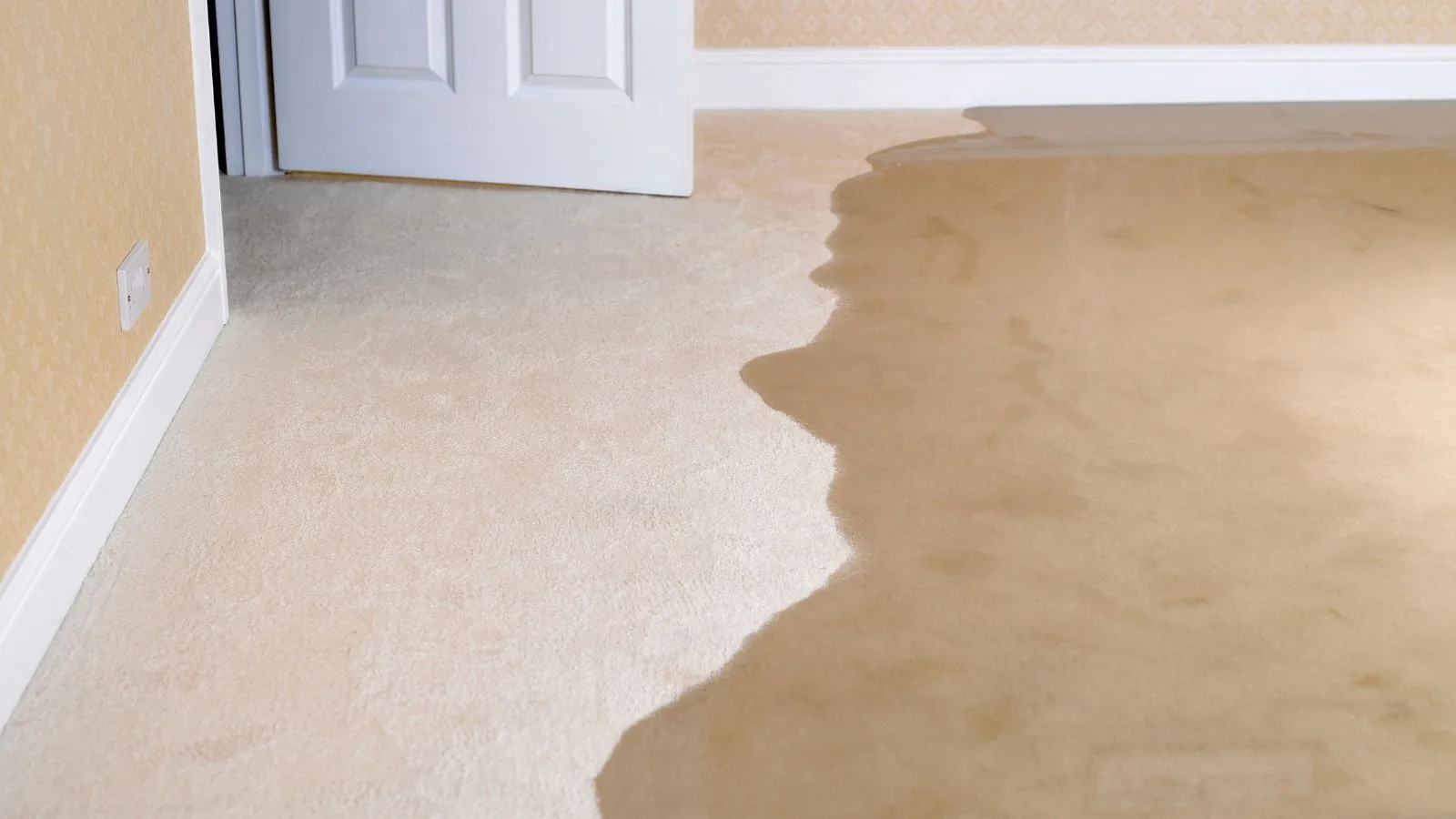
Mattresses and sofas are among the hardest things to dry after a leak. Their foam, batting and fabric hold water deep inside, where air cannot easily reach. The decision to keep or discard depends on the water source and how fast you act.
This guide gives a plain way to decide. It is general advice, and it does not apply to furniture that was soaked by sewage or floodwater, which should be discarded.
Start with the type of water
Clean water from a supply line or a roof leak is the best case. Water from a washing machine drain, a dishwasher or a toilet overflow carries soap, dirt or waste and is a much worse case.
Sewage and floodwater are the worst. Porous items like mattresses and upholstered furniture that touched them are generally discarded because they cannot be cleaned reliably.
| Water type | Typical decision | Reason |
|---|---|---|
| Clean supply water, caught within a day | Often dry and keep | Low contamination, fast action |
| Clean water, wet for several days | Often discard | Interior stays wet and smells |
| Gray water from appliances | Often discard | Contaminants in the fibers |
| Sewage or floodwater | Discard | Cannot be made safe |
How long the item stayed wet
Time matters as much as the water. A cushion that was wet for a few hours and dried quickly is a different case from a mattress that sat damp for three days.
If you can still smell dampness after the surface dries, the interior is still wet. A persistent stale odor is a signal that the item is not going to recover.
How to dry a sofa or cushion
- Move the item out of the wet area and onto a dry, ventilated spot.
- Remove cushions, covers and anything detachable and stand them on edge.
- Blot with clean towels, pressing without rubbing.
- Use fans and a dehumidifier in the room, and keep heaters at a distance.
- Check inside the cushions with your hand and leave them out until the center feels dry.
Do not place wet upholstery on a carpet or a wood floor, because the water will move into the floor. Put foil or plastic under the legs.
Mattresses
A mattress is thick, and the core can stay wet long after the surface feels dry. Memory foam and innerspring mattresses are hard to dry without professional equipment, and many are discarded after soaking.
If the mattress was only splashed on the surface and dried quickly, you may be able to blot, air it out and use a dehumidifier. If it was soaked, replacement is usually the safer choice.
Check the floor under the furniture
Water often travels under a sofa or bed and soaks the carpet pad or flooring. Lift the furniture and check the floor, because a damp floor keeps the item damp as well.
See carpet water damage restoration and hardwood floor water damage repair to see how floors are dried. Extraction of the water comes first, as described on the water extraction page.
Photograph before you discard
If you plan to claim the loss, photograph each item, note its age and value and keep any labels. Keep the item until the insurer has seen it or told you it may be discarded, as long as it is safe to do so.
If you must remove it for health reasons, such as sewage contamination, photograph it first and keep the receipt for disposal.
When to ask a professional
A restoration crew can dry the room and floor with air movers and dehumidifiers, and sometimes can treat furniture. They can also tell you whether the room is dry enough for a replacement item.
Crews serve Irvington, Maplewood and Newark and can advise on what is worth saving.
Common mistakes with wet furniture
The first is sitting a wet cushion in the sun or in front of a heater. Fast, uneven heat dries the surface and leaves the core wet, and it can shrink fabric or warp frames.
The second is covering a damp item with plastic, which traps moisture. The third is putting the item back in use before the center is dry, which spreads the dampness into fabric and floors.
A better approach is steady airflow, a dehumidifier and patience. Check the center of the cushion by pressing it with your hand and by smelling it, then give it more time if it still feels cool.
Children's bedding and sleep safety
A crib mattress or a child's bed deserves extra caution. If it was soaked, replace it, since you cannot be sure the core is dry and clean.
Wash bedding, stuffed toys and washable fabrics in hot water if the label allows, and dry them completely. Items that cannot be washed and that were wet with anything but clean water should be discarded.
The short version
- Clean water, quick action: many items can be dried and kept.
- Gray water or long exposure: expect to discard soaked foam and batting.
- Sewage or floodwater: discard porous items.
- Photograph before you throw anything away.
- Dry the floor under the furniture as well.
Disposal and documentation in New Jersey
New Jersey's insurance regulator advises people to photograph damaged property before disposing of it and, where possible, to keep damaged items until the insurer inspects them or says they can be discarded. That applies to furniture and mattresses as much as to appliances.
Before putting a large item at the curb, ask the Irvington public works department about bulky item pickup rules and schedules.
Frequently asked questions
Can a wet mattress be saved?
Only if it was clean water, the soaking was brief and it dries thoroughly. Soaked mattresses are usually replaced.
Can a sofa be saved after a leak?
Often yes if the water was clean and it is dried quickly. Foam cushions that stay damp should be replaced.
Is it safe to sleep on a mattress that dried?
Only if it is completely dry inside and has no odor. If you can still smell dampness, replace it.
What if the item touched sewage?
Discard it. Porous materials contaminated by sewage cannot be cleaned reliably.
Furniture and floors soaked? Call and ask the crew to measure what is still wet.
☎ Call (973) 913-7863