
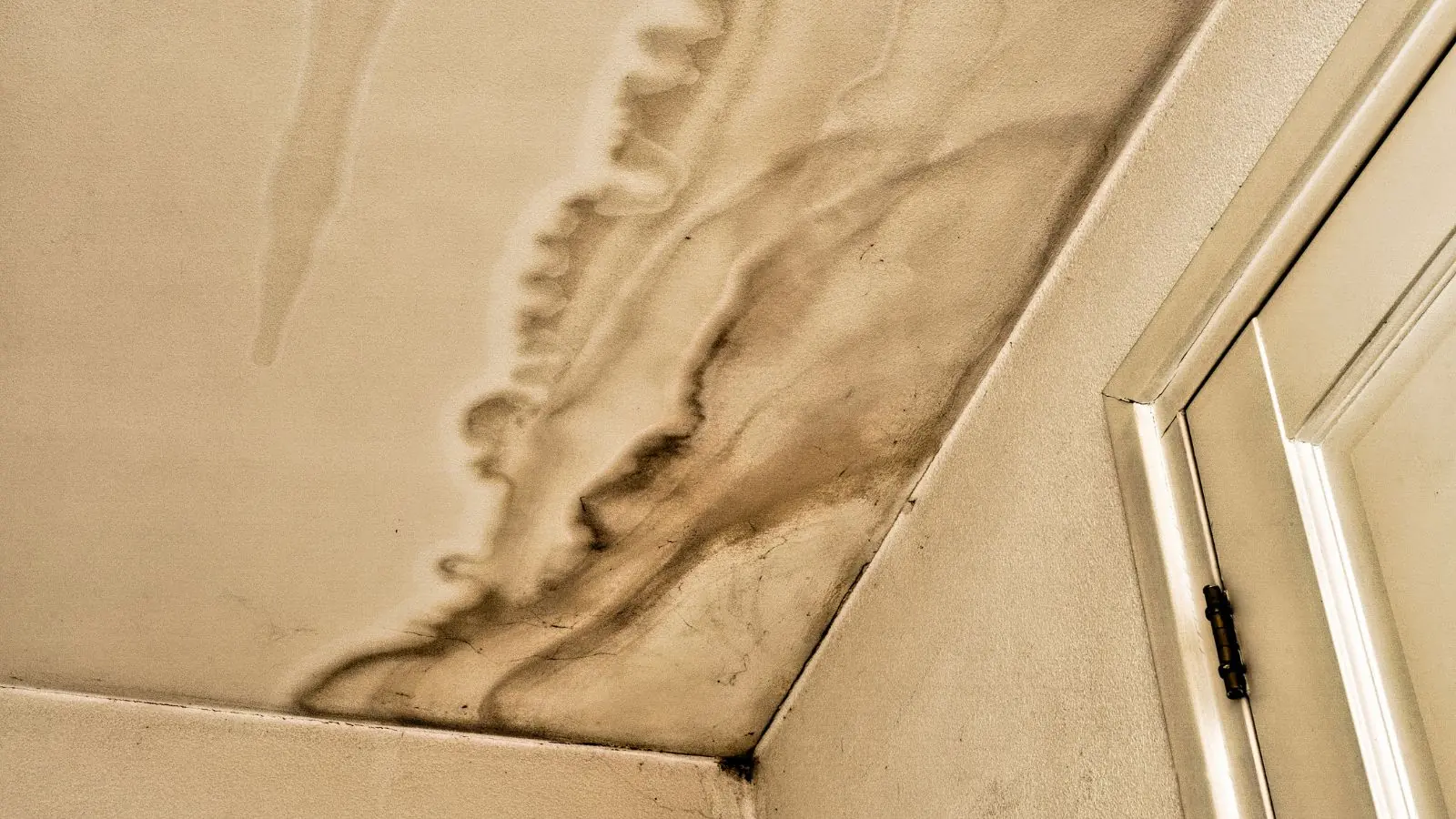
A water damage claim goes more smoothly when the first hours are organized. The steps below follow the guidance that New Jersey's insurance regulator gives homeowners after storms, adapted to leaks, pipe failures and appliance losses.
None of this replaces your policy's own instructions, so keep your insurer's claim number and the adjuster's contact information in one place from the first call.
Step 1: Stop the water and make the area safe
Close the main water valve for a pipe or appliance failure, and turn off power only if you can reach the panel from a dry spot. If water is near outlets or cords, leave the room and call the utility or 911 before anything else.
Protecting the property from further damage is also a policy duty. That means moving belongings out of the wet area and not letting a small loss grow while you wait.
Step 2: Document before you clean
Photograph and video the source, the water line on walls and every damaged item, and keep damaged property until the insurer inspects it or says it can be discarded. If you must discard something for safety, photograph it first.
| Item | What to capture | Why it helps |
|---|---|---|
| Source of water | The failed pipe, hose or opening | Shows the cause and the date |
| Affected rooms | Wide shots and close-ups with dates | Shows the extent |
| Damaged belongings | Photos plus a written list | Supports the contents claim |
| Moisture readings | Technician logs and photos | Shows drying progress |
| Receipts | Equipment, repairs and lodging | Supports reimbursement |
Step 3: Call your insurer
Report the loss as soon as possible and have your policy number ready. Record the claim number, the date and time of your call and the name of the person you spoke to.
Ask what the insurer wants you to do about emergency mitigation and how it handles invoices from a restoration company. Ask for the adjuster's contact information and when they plan to inspect.
Step 4: Make temporary repairs and keep receipts
Reasonable emergency steps such as extraction, drying, tarping or boarding up are usually expected, and receipts for them support your claim. Do not start permanent repairs until you know what the insurer will cover.
A restoration crew can begin water extraction right away and provide records of the work and the moisture readings. Those records are useful for the adjuster.
Step 5: Work with the adjuster
Keep written notes of every conversation and ask for a copy of the damage estimate. If your contractor's scope differs from the adjuster's, the contractor can discuss the difference directly with the adjuster.
If you disagree with the insurer's decision, first try to resolve it with the insurer. If that fails, you can contact the state insurance department for help.
Keep a claim file
Start a folder, paper or digital, on the day of the loss. Put the claim number, the adjuster's name, every estimate, every invoice and every photo into it.
Add a running log of dates, times and what was said in each call. If a disagreement comes up later, a clear record is the strongest thing you can bring to it.
Back up photos to a second place right away, since a phone damaged in the same event can take the evidence with it.
Living in the home during drying and repair
Drying equipment is loud and runs around the clock, and some rooms may be off limits for days. If a room cannot be used, keep receipts for meals, laundry or lodging and ask your insurer whether additional living expense coverage applies.
Ask the crew for a schedule of visits so you know when someone will be in the home. Keep children and pets away from the equipment.
When readings show the structure is dry, the crew removes the equipment and repairs begin. Ask for the final moisture log before you close out the drying stage.
Common mistakes that slow a claim
Throwing away damaged items before photographing them is the most common one. Others are waiting days to report the loss, starting permanent repairs before the adjuster has seen the damage and losing receipts for emergency work.
Another is relying on a phone call with no record of it. Follow important calls with a short email that summarizes what was said, so there is a written trail.
Finally, do not sign a release or accept a payment as final until you are sure the scope covers all the damage, including areas behind walls and under floors that are still being dried.
New Jersey claim help
The New Jersey Department of Banking and Insurance advises people to call their agent or insurer as soon as possible, keep all receipts, document damage before disposal and take notes on conversations with the adjuster. It also states that you can ask for a copy of the damage estimate.
If a dispute is not resolved with the insurer, the department's consumer hotline is 1-800-446-7467 on weekdays from 8:30 a.m. to 5:00 p.m. The same crews reach Maplewood and Newark, and the claim steps are the same in all three.
Frequently asked questions
How soon should I report water damage?
As soon as you can. Delay can make it harder to show when the damage started and what it caused.
Can I start cleanup before the adjuster arrives?
Yes, and you usually should. Mitigation is expected, as long as you photograph first and keep receipts.
What if the insurer's estimate is too low?
Ask for a copy of the estimate, give the insurer your contractor's scope and notes and discuss the difference. If that fails, contact the state insurance department.
Will filing a claim raise my premium?
It can, depending on the insurer and the loss. Ask your agent how claims affect your policy before you decide on a small loss.
Need drying records for a claim? Call and ask the crew what documentation they provide.
☎ Call (973) 913-7863