
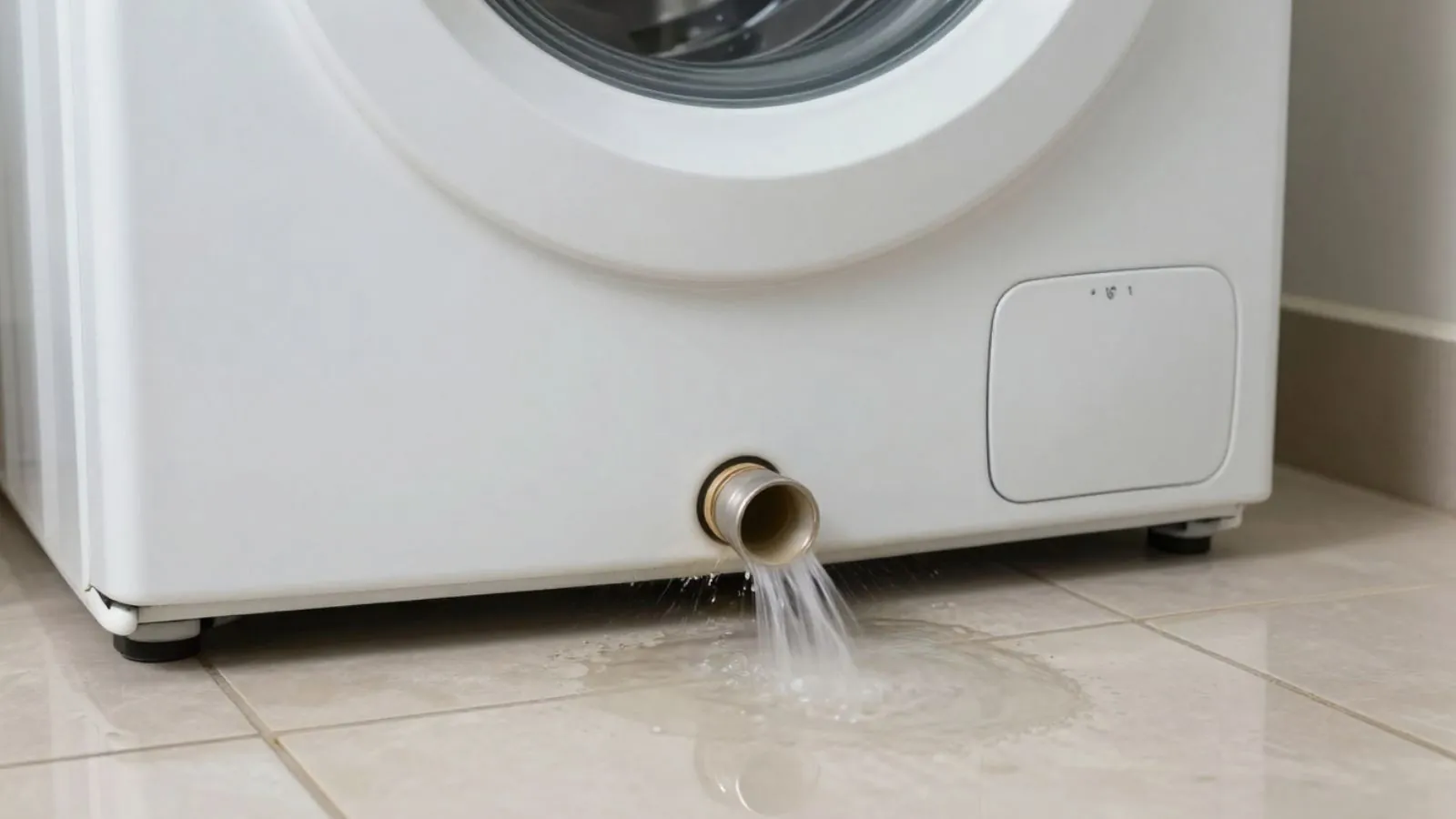
When water damages a rental, two parties are involved: the person who lives there and the person who owns the building. Each has different responsibilities, and the steps you take in the first day decide how easily either one is resolved.
This guide is general information for tenants and is not legal advice. For disputes, a local housing agency or a legal aid office is the right place to go.
Step 1: Stop the water if you safely can
If a pipe, fixture or appliance is leaking, close its shutoff valve. If you cannot find one, ask the landlord or building manager where the main valve is, and tell them immediately.
If water is near outlets or the electrical panel, do not touch it. Leave the unit and call the utility or 911 for any electrical hazard.
Step 2: Tell the landlord in writing
Call if it is an emergency, then follow up in writing by text, email or letter so there is a record. State the date and time you found the water, the location and what you saw.
New Jersey's tenant guidance recommends written notice, preferably by certified mail with return receipt requested, and then allowing reasonable time for repair. For an active leak, send the message at once and say it is urgent.
Step 3: Protect and record your belongings
Move furniture and electronics out of the wet area, lift items off the floor and photograph everything that is damaged. A written list with the approximate age and value of each item helps if you file a claim.
The landlord's insurance usually covers the building, while your belongings are covered only by renter's insurance. Many people do not carry it, so check your policy if you have one.
| Item | Usually the responsibility of | Note |
|---|---|---|
| Repairing the pipe or fixture | Landlord | Report it in writing |
| Drying walls and floors of the unit | Landlord | Ask about timing |
| Your furniture and belongings | Tenant or tenant insurance | Photograph everything |
| Damage caused by the tenant | Tenant | Depends on the facts |
| Temporary housing | Depends on lease and cause | Keep receipts |
Step 4: Ask how the building will be dried
Water in an apartment can travel to the unit below and into shared walls. Ask the landlord whether a professional drying crew has been called and how long equipment will run.
A tenant can call a crew in an emergency, but the landlord normally decides on work in the building. See our pages on water extraction and ceiling water damage repair to understand what proper drying involves.
Step 5: Know your options if repairs stall
If the landlord does not act, written notice and records are the base of any next step. Local housing inspectors and legal aid organizations can explain the options in your area.
Do not withhold rent or make repairs and deduct the cost without learning the rules first. The conditions for those remedies are specific.
Renter's insurance and what it covers
Renter's insurance covers your belongings, and often additional living expenses if the unit cannot be used. It does not cover the building, which is the landlord's policy.
Many policies exclude flood and sewer backup unless an endorsement is added, so the same cause-based rules that apply to homeowners apply to renters. Read yours before you need it.
If you do not have a policy, photograph and list your belongings now. That record also helps if you need to discuss a loss with the landlord.
When the water comes from the unit above
In a multifamily building, a leak from an upstairs unit can come through your ceiling. Tell the landlord at once, in writing, and ask whether the upstairs resident has been notified.
Take photographs of the ceiling, walls and floor. Do not poke a bulging ceiling, because trapped water can come down suddenly.
The landlord or building manager coordinates repairs between units. Ask who is handling the drying and when the work will be done.
Keeping the paper trail clean
Save the lease, every message with the landlord and every photograph in one folder. Note the date you first noticed the problem, the date you reported it and the date anyone responded.
If a repair visit happens, write down who came, what they did and what they said about the next step. Short, factual notes are easier to rely on than a long account written weeks later.
If you have to move out for a time, keep receipts for lodging and storage. Whether those costs are shared depends on the lease and the cause, so ask about it in writing.
Quick checklist for tenants
- Close the shutoff valve and keep clear of any water near outlets.
- Message the landlord in writing, with the date, time and location.
- Photograph the source, the damage and your belongings.
- Move valuables and electronics out of the wet area.
- Keep receipts for anything you buy or pay because of the loss.
- Follow up in writing if you do not hear back within a day.
Keeping this list on your phone means you will not have to think about the order while stressed. The most important lines are the first and the last, since stopping the water and following up are what move things forward.
New Jersey tenant guidance
New Jersey's habitability guidance says residential leases carry an implied warranty of habitability and that landlords must repair damage to vital facilities such as broken toilets and the lack of water, heat or electricity. It advises tenants to give written notice and allow a reasonable time for repair.
For buildings with three or more units, the state's Bureau of Housing Inspection can be contacted, and one and two unit buildings follow local ordinances. Calls from Maplewood and Newark go to the same line.
Frequently asked questions
Does my landlord have to fix a leak?
Landlords must keep rentals fit to live in, which includes repairing damage to vital facilities. Give written notice and allow reasonable time.
Does the landlord's insurance cover my belongings?
Usually not. The landlord's policy covers the building, and your belongings need renter's insurance.
Can I stop paying rent because of a leak?
Only under specific conditions, and the rules are technical. Learn them or ask a legal aid office before you do.
Should I call a restoration company myself?
In an emergency, yes, and tell the landlord. For non-urgent work, the landlord usually decides.
Renting and water is spreading? Call now and we can talk through the first steps.
☎ Call (973) 913-7863