
Restoration crews sort water losses into three categories that describe how clean or contaminated the water is. The category is not about how much water there is. It is about what the water may carry.
Knowing the categories helps you understand why a crew treats a clean pipe leak differently from a washing machine overflow or a sewer backup. This guide describes the general approach in plain terms, which follows the categories published in the ANSI/IICRC S500 water damage restoration standard.
Category 1: clean water
Category 1 water comes from a clean source, such as a broken supply line, a faucet, a tub overflow with clean water or rain through a roof. It poses little risk when it first appears.
Clean water can still become a bigger problem if it sits, because it picks up contaminants from materials and from the building over time. Fast response keeps it in Category 1.
Category 2: gray water
Category 2 water contains some contamination and may cause illness if people drink it or are exposed to it. Typical sources include washing machine and dishwasher discharge and some toilet overflows with urine but no feces.
Porous materials that were soaked, such as carpet pad, are often removed. Hard surfaces are cleaned and dried.
Category 3: heavily contaminated water
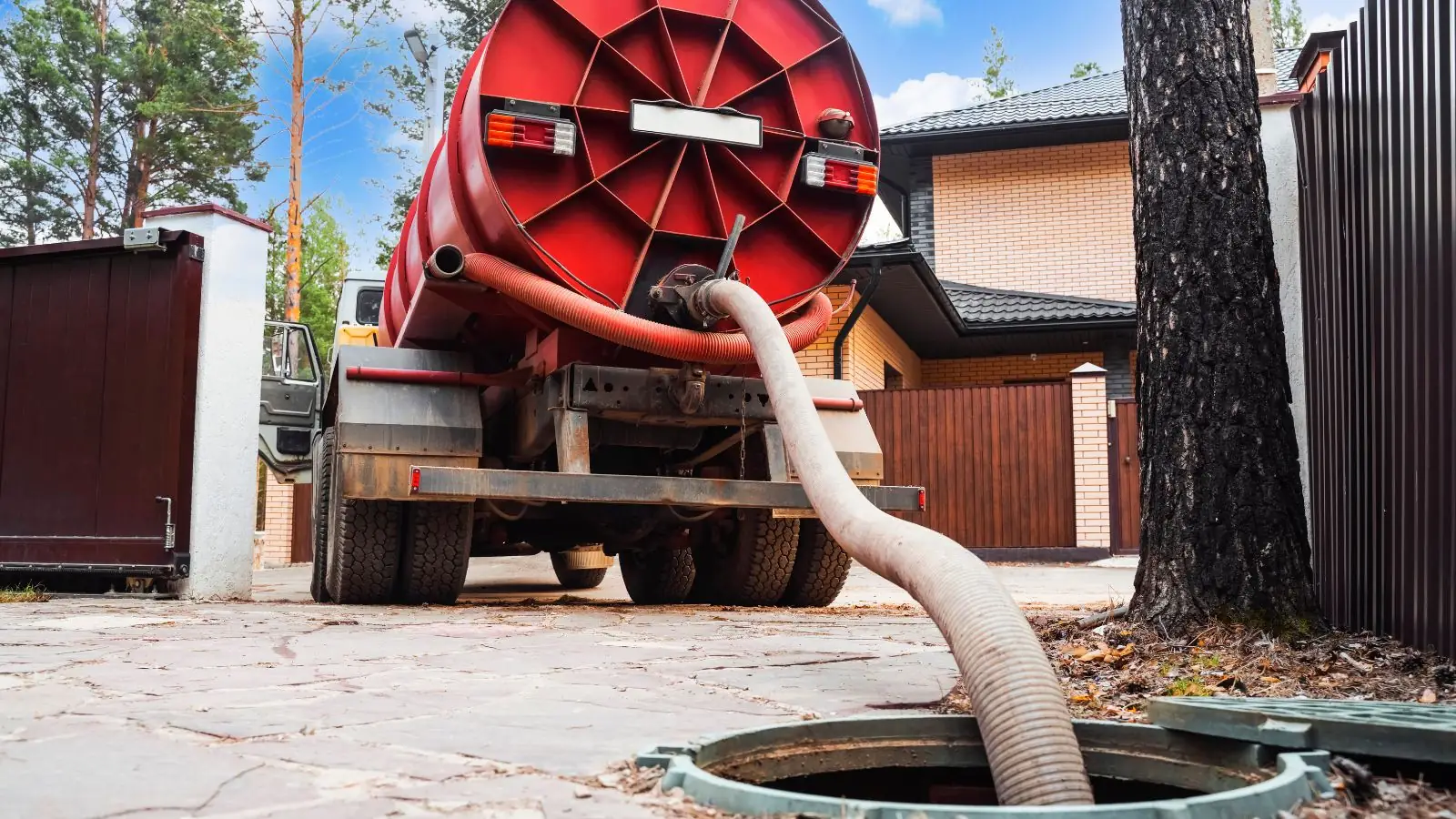
Category 3 water is grossly contaminated and may contain harmful organisms. Sewage backups, floodwater from rivers and streams and long-standing standing water are in this group.
Crews wear protective gear, remove porous materials that touched the water and clean and disinfect what remains. See sewage backup cleanup for how that is done.
| Category | Typical sources | Usual handling |
|---|---|---|
| 1: Clean | Supply line, roof leak, tub overflow | Extract and dry, many materials saved |
| 2: Gray | Washer or dishwasher discharge | Extract, clean, remove soaked porous items |
| 3: Black | Sewage, floodwater, standing water | Protective gear, remove porous materials |
Water can change category over time
A Category 1 loss can slip into Category 2 or 3 if it sits for a day or two, picks up contamination or mixes with other water. That is one reason speed matters.
A crew checks the source and the conditions rather than relying only on how the water looks. Clear water can still be contaminated.
What the category means for your belongings
In Category 1, carpet, furniture and many belongings may be dried and kept. In Category 2, the decision depends on the item and the time, and in Category 3, porous items are generally discarded.
See carpet water damage restoration for how carpet is handled in each case, and wall and drywall water damage repair for walls.
Safety for you and your family
- Keep children and pets out of any area with gray or contaminated water.
- Wear gloves and boots if you must be near it, and wash hands thoroughly afterward.
- Do not use a household vacuum on wet floors or contaminated water.
- Discard food that touched the water.
- Seek medical advice if someone feels ill after contact.
Telling the crew what you know
When you call, describe where the water came from, how long it has been there and what it touched. That helps the crew bring the right equipment and protective gear.
Crews respond in Irvington, Maplewood and Newark, and the dispatcher can guide you on what to avoid until they arrive.
How the category affects drying and cleanup
In Category 1, the work is mainly extraction and drying. In Category 2, cleaning and removal of some soaked materials come before drying, and in Category 3, the crew also uses containment, protective gear and disinfection.
The category also affects what gets removed. Carpet and pad, drywall and insulation that soaked up Category 3 water are usually disposed of, and hard surfaces are cleaned and dried.
Our water extraction page describes the first stage in each case.
Why the first call matters
The sooner the crew starts, the better the chance of keeping the loss in a lower category. A supply line that is stopped and extracted quickly stays clean, while one that sits can pick up contamination.
When you call, tell the dispatcher what you saw and smelled. Details like sewage odor, discoloration or a recent backup help the crew prepare.
The short version
- Category 1 is clean, Category 2 is gray and Category 3 is contaminated.
- Water can move to a higher category if it sits.
- Category 3 means porous materials are removed.
- Protect yourself and keep children and pets away.
- Describe the source when you call.
Common examples by room
In a kitchen, a broken supply line is Category 1, a dishwasher drain overflow is Category 2 and a backed-up drain with waste is Category 3. In a bathroom, a supply line leak is Category 1 and a toilet overflow with waste is Category 3.
In a basement, water from a burst pipe is Category 1, while water from a floor drain or from outside is often Category 2 or 3. Describing the source helps the crew decide on the first visit.
State safety guidance after floods
New Jersey's hurricane guide advises avoiding drinking or cooking with tap water until you know it is safe, checking refrigerated food and throwing it out if in doubt, and staying out of any building where floodwater remains. It also says six inches of fast-moving water can knock a person off their feet.
Floodwater from rivers and streets should be treated as contaminated, and the guide advises photographing damage for insurance purposes before cleanup.
Frequently asked questions
What is the difference between Category 2 and 3?
Category 2 is gray water with some contamination, and Category 3 is grossly contaminated, such as sewage or floodwater.
Can clean water become contaminated?
Yes. If it sits for a day or two or touches contaminated materials, it can move to a higher category.
Is rainwater Category 1?
Rain through a roof starts cleaner, but water that crosses the ground or enters from outside may be contaminated.
Who decides the category?
The restoration crew assesses the source and conditions and explains the plan.
Not sure what kind of water you have? Call and describe the source.
☎ Call (973) 913-7863