
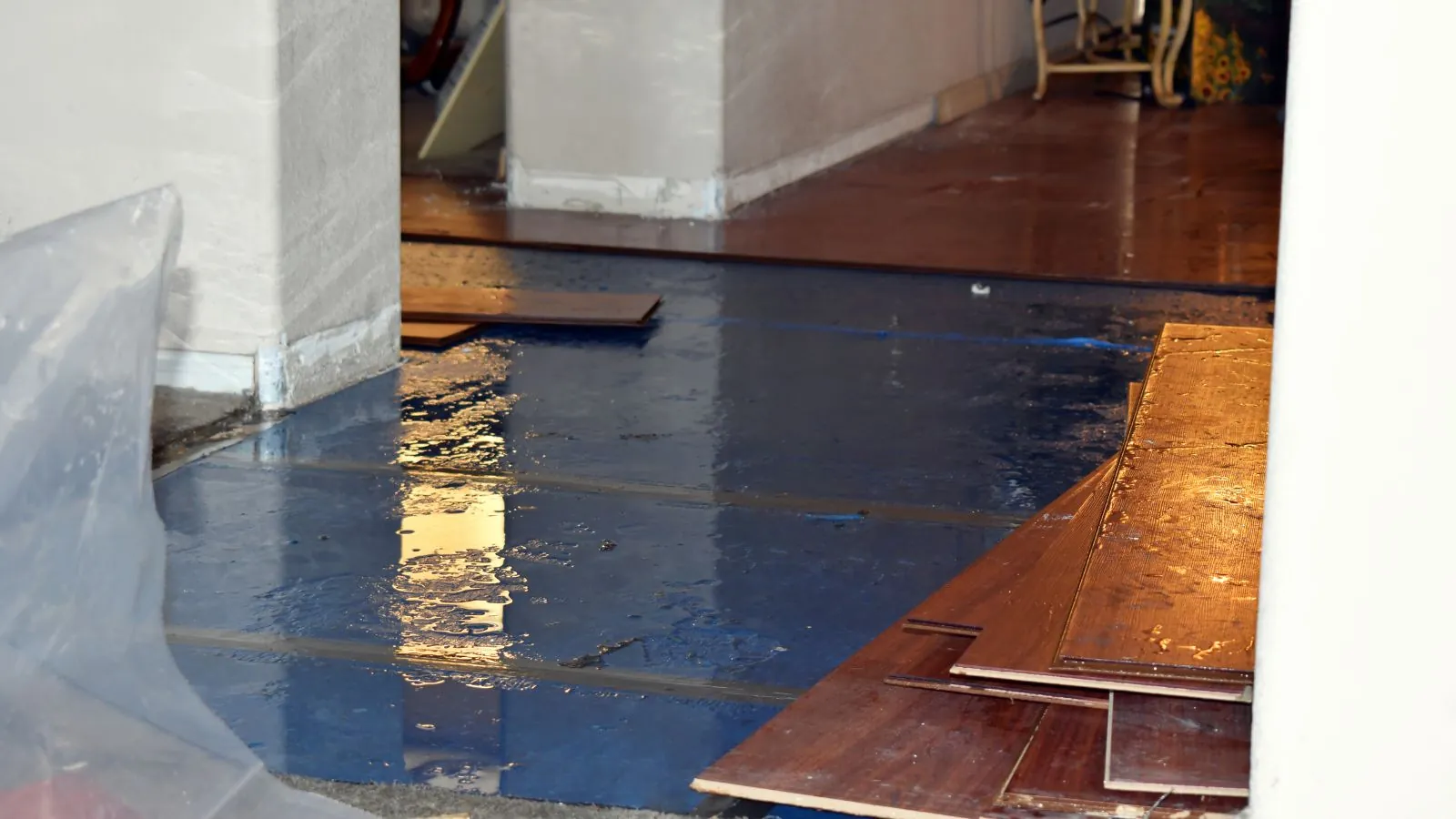
Storm season tests parts of a house that stay out of sight the rest of the year: gutters, flashing, window seals, sump pumps and basement floors. A short checklist done in calm weather prevents a lot of emergency calls.
This guide covers what to inspect, what to move, what to buy and what to do when a storm is forecast. It is general advice and does not replace instructions from local officials.
Know where your shutoffs are
Every adult in the home should know where the main water valve, the electrical panel and the gas shutoff are, and how to use them. Test the water valve once a year to be sure it turns.
Label the valves, and write the location on a card near the panel. In a rental, ask the landlord or building manager and write the answer down.
Roof, gutters and windows
| Item | What to look for | Action |
|---|---|---|
| Roof shingles and flashing | Lifted, cracked or missing pieces | Have a roofer repair them |
| Gutters and downspouts | Debris, sagging, short outlets | Clear and extend away from the wall |
| Windows and doors | Failed caulk, gaps, rot | Reseal or replace |
| Grading around the house | Soil sloping toward the foundation | Regrade or add drainage |
| Basement window wells | Debris and cracks | Clear and cover if needed |
A leak that starts in an attic or at a window can run for hours before a stain appears. Seeing the weak points in daylight is cheaper than finding them with a bucket.
Protect the basement
Move valuables and stored boxes off the floor and onto shelves. Cardboard soaks up water and will not recover, so plastic bins are a better choice for anything you want to keep.
If you have a sump pump, test it by pouring water into the pit and confirm the float rises and the pump discharges. Ask a plumber about a battery backup, since storms often cut the power that the pump depends on.
Power, generators and safety
Never run a generator inside a home, garage, crawl space or shed, even with doors open, because carbon monoxide can build up quickly and linger for hours. Use it outdoors and away from windows.
Keep flashlights with fresh batteries and avoid candles. Charge phones before a storm and keep a basic kit of water, food and medicine.
Keep your documents dry
Store insurance papers, IDs and photos of your belongings in a waterproof container or in cloud storage. A video walk-through of each room, taken before a storm, is useful evidence if you ever file a claim.
Know your policy's deductible and what it says about flood and sewer backup. Our page on flood damage cleanup explains what happens after water enters.
When a storm is forecast
- Bring in or tie down outdoor furniture and clear drains and gutters.
- Move valuables upstairs and lift electronics off basement floors.
- Charge phones and fill vehicles with fuel.
- Check on neighbors who may need help.
- Know the route to higher ground if officials tell you to leave.
Do not drive through flooded streets. Six inches of fast-moving water can knock a person off their feet.
After the storm
Walk around the outside first and look for downed lines, gas smells and structural damage before you go in. Photograph the damage, then call for help with extraction and drying.
Our storm water damage cleanup page explains the response, and crews also serve Maplewood and Newark.
Build a small go-kit
Keep a bag with flashlights, batteries, a phone charger, copies of insurance papers, medicine and a few days of water and food. Store it above the lowest floor of the house so a flooded basement does not reach it.
Add a list of phone numbers for your insurer, the utility and a plumber. Paper survives a dead phone.
If someone in the home depends on powered medical equipment, ask the power company and local emergency officials about registering for assistance before a storm.
Renters and apartment residents
Tenants cannot fix the roof or the grading, but they can photograph belongings, buy renter's insurance and tell the landlord about leaks before the storm. A water stain reported in the spring is easier to deal with than a ceiling that fails in the fall.
Ask the building manager where the building main is and what the plan is if the basement or garage floods. Move valuables off the lowest floor and keep important papers with you.
After a storm, report any new leak in writing and keep copies of the message.
The short version
- Know where the water, power and gas shutoffs are.
- Clear gutters and extend downspouts away from the walls.
- Test the sump pump and ask about a battery backup.
- Keep documents and a go-kit above the lowest floor.
- Never run a generator indoors.
Print this list and tape it inside a closet door. When a storm is forecast, a short list is easier to follow than anything you have to remember.
New Jersey storm guidance
The state's hurricane guide says the Atlantic hurricane season runs from June 1 to November 30, with tropical storm activity in New Jersey typically in August through late October. It advises knowing your utility shutoffs and says that if you evacuate you should turn off the main water valve.
It also warns never to run a generator indoors and says that most flooding deaths happen in cars, with the message to turn around and not drown. Stay out of a flooded building if you smell gas or floodwater remains around it.
Frequently asked questions
When is storm season in New Jersey?
The Atlantic hurricane season runs June 1 to November 30, and New Jersey's tropical storm activity is typically August through late October.
Should I shut off the water before a storm?
Only if you are evacuating, according to state guidance. Otherwise, know where the valve is in case you need it.
Can a sump pump fail during a storm?
Yes, especially if the power goes out. Ask a plumber about a battery backup and test the pump.
Is a generator safe in the garage?
No. State guidance says never run one inside a home, garage, crawl space or shed.
Storm water already inside? Call the 24/7 line and describe where it is coming in.
☎ Call (973) 913-7863