
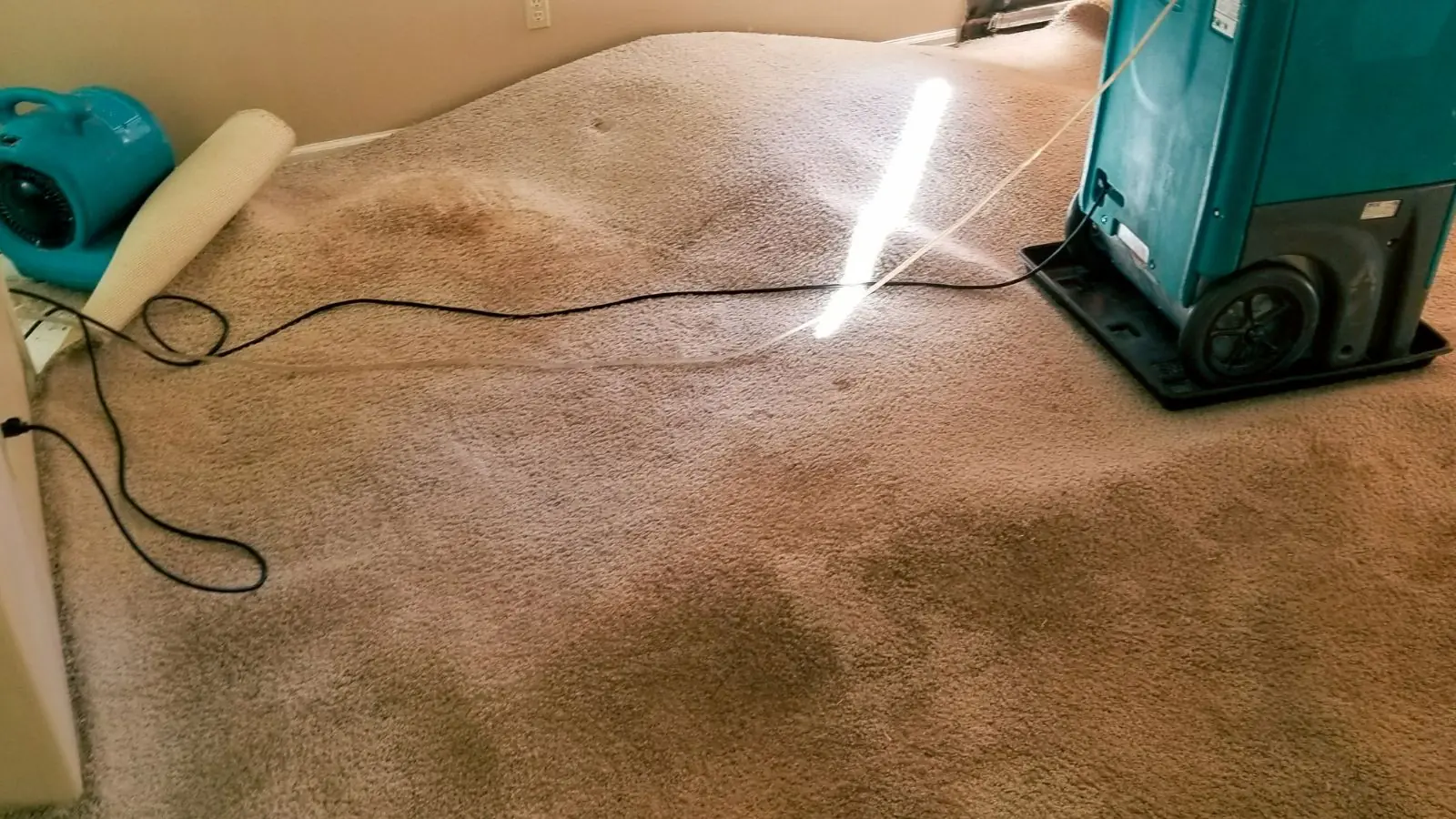
Water damage pushes people to hire quickly, and that is when problems begin. A few questions, asked before you sign anything, separate a crew that measures and documents its work from one that simply drops fans in the room.
This checklist is for homeowners and landlords in Irvington and nearby towns. It is general guidance and not a ranking of any company.
Ask whether they answer the phone at night
Water losses grow with time, so a company that works only during office hours leaves you waiting. Call the number you find and see who answers, how they sound and what they ask.
A good dispatcher asks where the water is coming from, whether the main valve is closed and which rooms are wet. Be wary of anyone who promises a precise arrival time before knowing where their crews are.
Check registration and licensing
In New Jersey, home improvement contractors must register with the state, and a plumber must be licensed. Ask for the registration number and verify it with the Division of Consumer Affairs before you sign.
Registration is a basic check and does not guarantee quality, but a company that cannot provide it is a warning sign. Also ask whether the crew carries liability insurance.
Ask how drying will be measured
A reliable crew uses moisture meters and records readings on a schedule, and it removes equipment only when the readings match a dry reference. Ask what readings they will take and how often they will visit.
If the answer is a fixed number of days with no measurements, ask why. Our page on structural drying explains what proper monitoring looks like.
| Question | A good answer | A warning sign |
|---|---|---|
| How will you measure drying? | Meters and daily logs | A flat number of days |
| What is in the scope? | Written list of rooms and work | Verbal only |
| Who does the pipe repair? | A licensed plumber | Vague promises |
| Can I see the pricing basis? | Itemized explanation | A pressure to sign now |
| Do you coordinate with my insurer? | Provides documentation | Claims about guaranteed approval |
Get scope and price explained before work starts
A written scope lists the rooms, the equipment and the tasks, and explains how the price is determined. If the scope changes, you should hear about it before the work happens.
Compare scopes, not only prices. Two quotes can look different because one includes monitoring visits and the other does not.
Watch the insurance language
No company controls whether your insurer approves a claim. Treat any promise of guaranteed approval or special billing arrangements as a reason to ask more questions.
What a good company can do is provide photos, moisture logs and an itemized invoice that you can send to your insurer. Our water extraction page describes the first stage of the work.
What happens on the first visit
A good first visit starts with questions, then a walk through the affected rooms with meters in hand. The crew should explain what is wet, what can be dried in place and what has to come out.
You should leave that visit knowing the scope, the equipment, the monitoring plan and the next step. If you leave with only a price, ask for more detail.
Take notes, and ask for the scope in writing before you agree to the work.
Red flags to walk away from
- Pressure to sign immediately before the scope is explained.
- A promise that your insurer will approve the claim.
- No written scope or no explanation of how the price is set.
- Refusal to provide a registration number or proof of insurance.
- Equipment that is removed on a fixed day, regardless of the readings.
Any one of these is a reason to ask more questions. Several together are a reason to call someone else.
Residential and commercial jobs differ
A restaurant or office has different needs from a house: business hours, inventory, tenants and shared systems. Ask a company whether it has handled similar buildings and how it works around operations.
For commercial space, ask about after-hours work, access to shared walls and ceilings and how documentation is handled for the property manager or insurer. Our page on commercial water damage restoration describes that work.
For a home, the questions are closer to scope, timing and keeping the family safe during drying.
Quick checklist before you hire
- Confirm someone answers the phone at any hour.
- Ask for the registration number and verify it with the state.
- Ask how drying will be measured and how often.
- Get the scope and the pricing basis in writing.
- Ask who will repair the pipe and whether that person is licensed.
- Do not accept any promise about insurer approval.
If a company answers all six clearly, you have good reason to continue. If it hesitates on two or more, keep looking while the water is still contained.
Verify a New Jersey contractor
New Jersey requires home improvement contractors to be registered, and the state's consumer affairs division publishes enforcement actions against unregistered contractors. You can ask any contractor for the registration number and verify it through the division.
Plumbing work is licensed separately by a state board, so ask who will repair the pipe and confirm that person's license. Crews who work Irvington streets also drive to Maplewood and Newark, and the same questions apply in all three.
Frequently asked questions
Should I get several quotes in an emergency?
If water is still spreading, start extraction first and compare scope afterward. You can still ask questions on the phone.
Is the cheapest quote the best?
Not necessarily. Compare what is included, especially monitoring visits and documentation.
Do I have to use my insurer's recommended company?
No. New Jersey's insurance regulator says you are not required to use the contractor your insurer recommends.
What should be in writing?
The scope, how the price is determined, the equipment and monitoring plan and any changes in scope.
Have questions before you decide? Call and ask how the work would be measured and documented.
☎ Call (973) 913-7863